
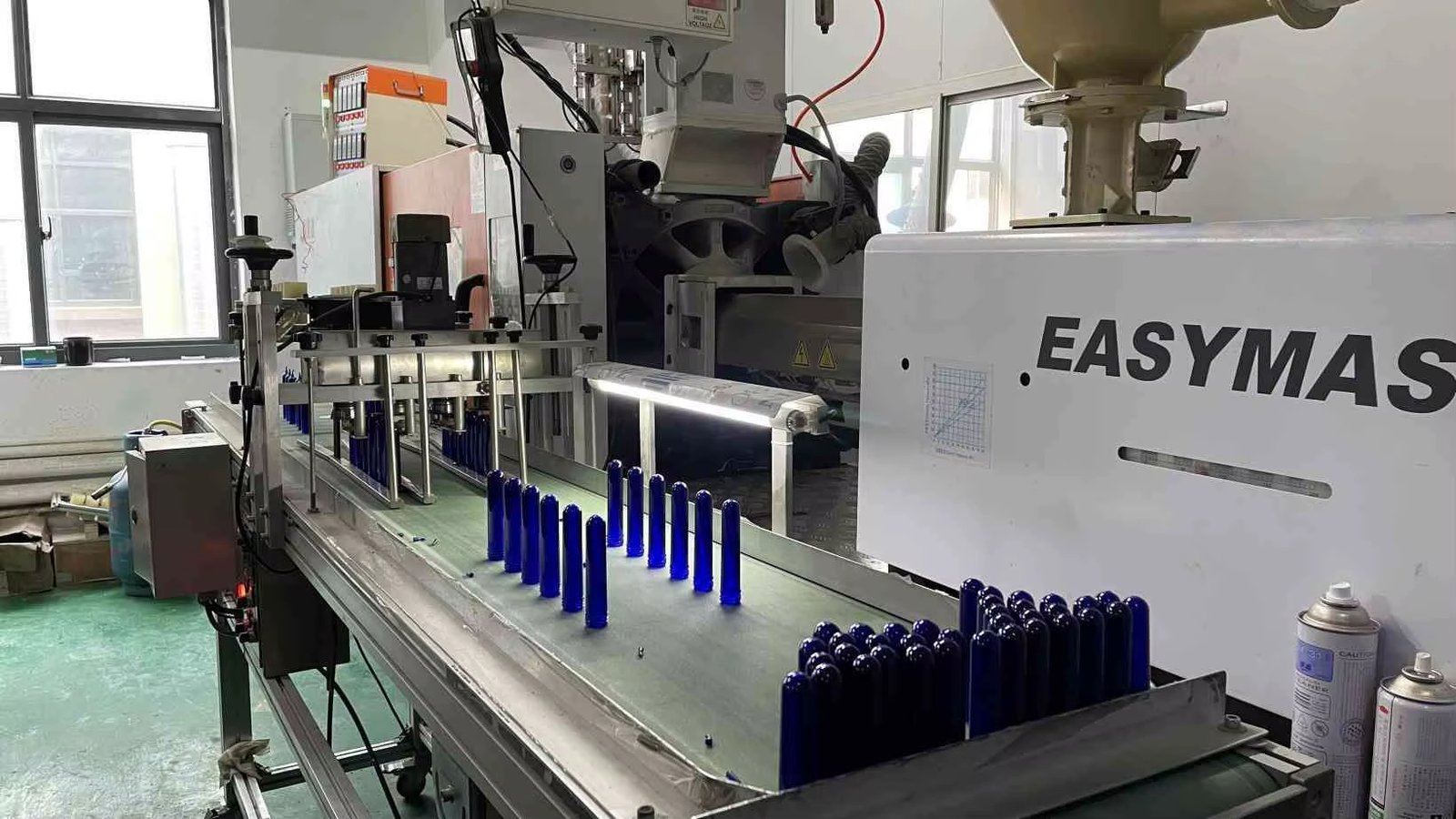
Finding a reliable cosmetic packaging manufacturer in China nearly broke one of my earliest export deals. A leaking pump batch almost cost our Taizhou factory a key German buyer.
To choose a reliable cosmetic packaging manufacturer in China, verify ISO 9001 certification, confirm real factory ownership, test production-line samples, audit quality control inspection systems, clarify OEM/ODM customization depth, and lock lead time, DDP logistics, and defect thresholds into a written agreement before paying any deposit.
That single sentence hides a lot of detail. Below, I break each step into a practical framework you can use before you place your first order.
How can I verify a Chinese cosmetic packaging manufacturer's quality control before placing my order?
A procurement manager from Australia once asked me to film our leak-testing station live on WhatsApp before she paid her deposit. I did it gladly, and she became a repeat customer.
Verify quality control by requesting ISO 9001 certification documents, checking the Chinese business license scope, conducting a virtual or on-site factory audit, ordering samples from actual mass-production lines, and requiring a third-party pre-shipment quality control inspection with agreed AQL defect limits before goods leave the factory.
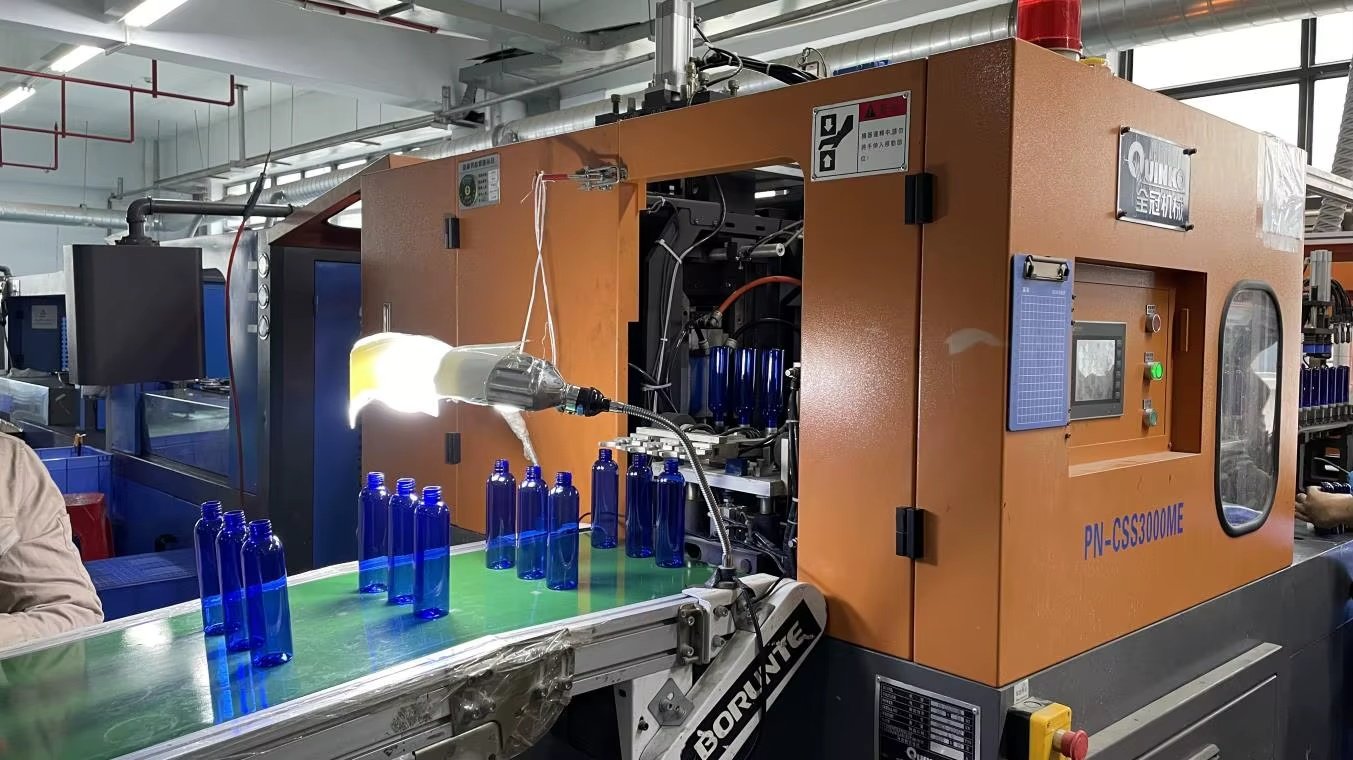
Paperwork alone does not prove consistency. In our workshop in Taizhou, Zhejiang, we run visual checks, torque tests on closures, and leak tests on pump bottles 1 at multiple stages. A reliable partner should show you the same. So ask for evidence at every layer, not just a scanned certificate.
Start with documents, then move to proof
First, request the supplier's Chinese business license. Check the "Business Scope" section. It tells you whether the company actually manufactures packaging or simply trades it. Trading companies are not always bad, but you need to know who controls production. Next, ask for ISO 9001 certification 2 and verify the certificate number with the issuing body. For skincare-adjacent products, ISO 22716 (GMP) documentation is a strong bonus.
Run a structured factory audit process
A factory audit process does not have to mean flying to China. Video audits work well when structured. Ask the supplier to walk you through incoming material inspection 3, molding, surface finishing techniques like spraying or UV coating, assembly, and final packing. Watch how machines are maintained. Look at whether QC records exist on paper or in a system.
| Verification Step | What to Request | Red Flag If Missing |
|---|---|---|
| Business license check | License with manufacturing scope | Vague or trading-only scope |
| Certification review | ISO 9001, ISO 22716 where relevant | Expired or unverifiable certificates |
| Virtual/on-site audit | Live walkthrough of production lines | Refusal or stalling |
| Sample testing | Samples from mass-production tooling | "Showroom" samples only |
| Pre-shipment inspection | Third-party AQL-based report | Push to ship without inspection |
Finally, insist that samples come from the same tooling and lines that will run your bulk order. "Sample baiting" — sending a perfect handmade sample and shipping inferior mass goods — is a known trap. Independent quality control inspection before shipment closes that gap.
What should I ask about OEM/ODM customization capabilities when comparing suppliers?
Custom projects reveal a supplier's real depth. When we developed a matte-black 500ml pump bottle for a US haircare brand, the color-matching rounds taught us more than any catalog ever could.
Ask about custom tooling and molding costs, Minimum Order Quantity per SKU, color and Pantone matching accuracy, available surface finishing techniques, material options including PCR plastic packaging, compatibility testing with your formula, sampling lead time, and whether design, molding, and printing are handled in-house or outsourced.
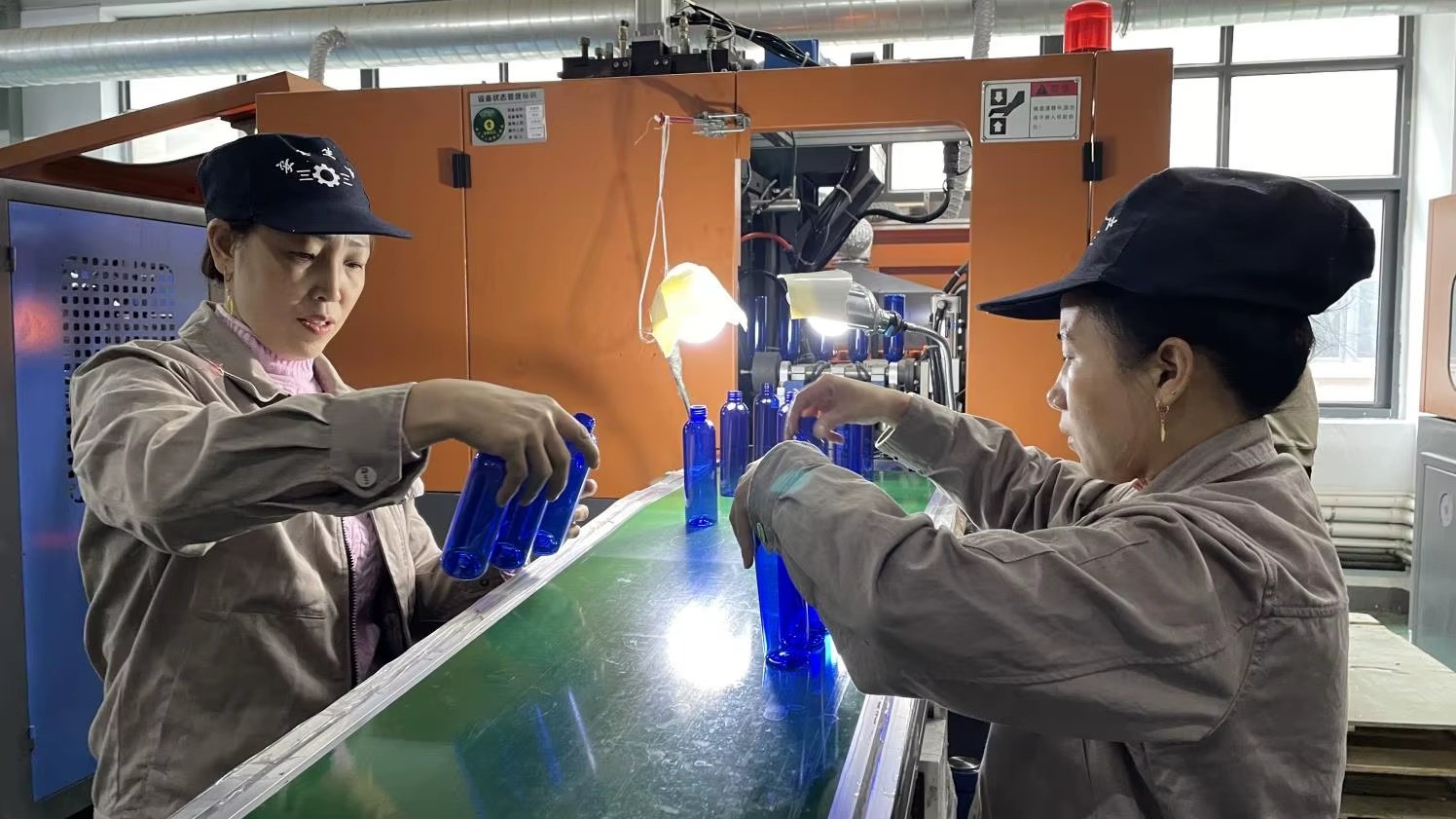
OEM/ODM capability is where suppliers differ the most. Some factories only decorate stock bottles. Others can build a new mold 4 from your sketch. Both models are legitimate, but you need to know which one you are buying, because it changes cost, risk, and timeline. At our facility we support customization of colors, capacity, bottle materials, and outer packaging, and I always tell buyers to ask competitors the exact same questions.
The core questions to put in your RFQ
- Do you own the molds, or do you rent capacity from another factory?
- What is the Minimum Order Quantity for a custom color versus a custom mold?
- What are the custom tooling and molding fees, and who owns the mold afterward?
- Which surface finishing techniques do you run in-house — silk screening, hot stamping, metallization, soft-touch coating?
- Can you supply eco-friendly packaging materials, such as PCR plastic packaging or glass alternatives?
- How do you handle color deviation? Ask for a Delta-E tolerance in writing.
- Do you test airless pump bottles and dispensers with the client's actual formula?
Match the supplier type to your project
| Your Need | Best-Fit Supplier | Typical MOQ Behavior |
|---|---|---|
| Stock bottles, custom logo | Decorator or small factory | Low MOQ, fast turnaround |
| Custom color on existing mold | Mid-size OEM factory | Moderate MOQ per color |
| Fully custom shape | Factory with in-house tooling | High MOQ, mold fee, longer lead time |
| Sustainable line | Supplier with verified PCR sourcing | Ask for GRS transaction certificates |
Also confirm formula compatibility early. Skincare acids, essential oils, and alcohol-based mists interact differently with PET, PP, and acrylic. A capable ODM partner will request your formula details before quoting, not after a leakage complaint. That single behavior separates serious wholesale cosmetic containers suppliers from catalog resellers.
How do I avoid shipping delays and ensure DDP logistics work smoothly with my manufacturer?
Timelines are where trust is won or lost. Our team once re-sequenced an entire production week so an Australian client's launch shipment could catch her vessel booking — because we had promised a date.
Prevent delays by agreeing on lead time and shipping milestones in writing, starting packaging production 30–45 days before launch, confirming the manufacturer's DDP experience in your destination country, requiring weekly production updates, and building buffer time for quality control inspection, customs clearance, and peak-season freight congestion.
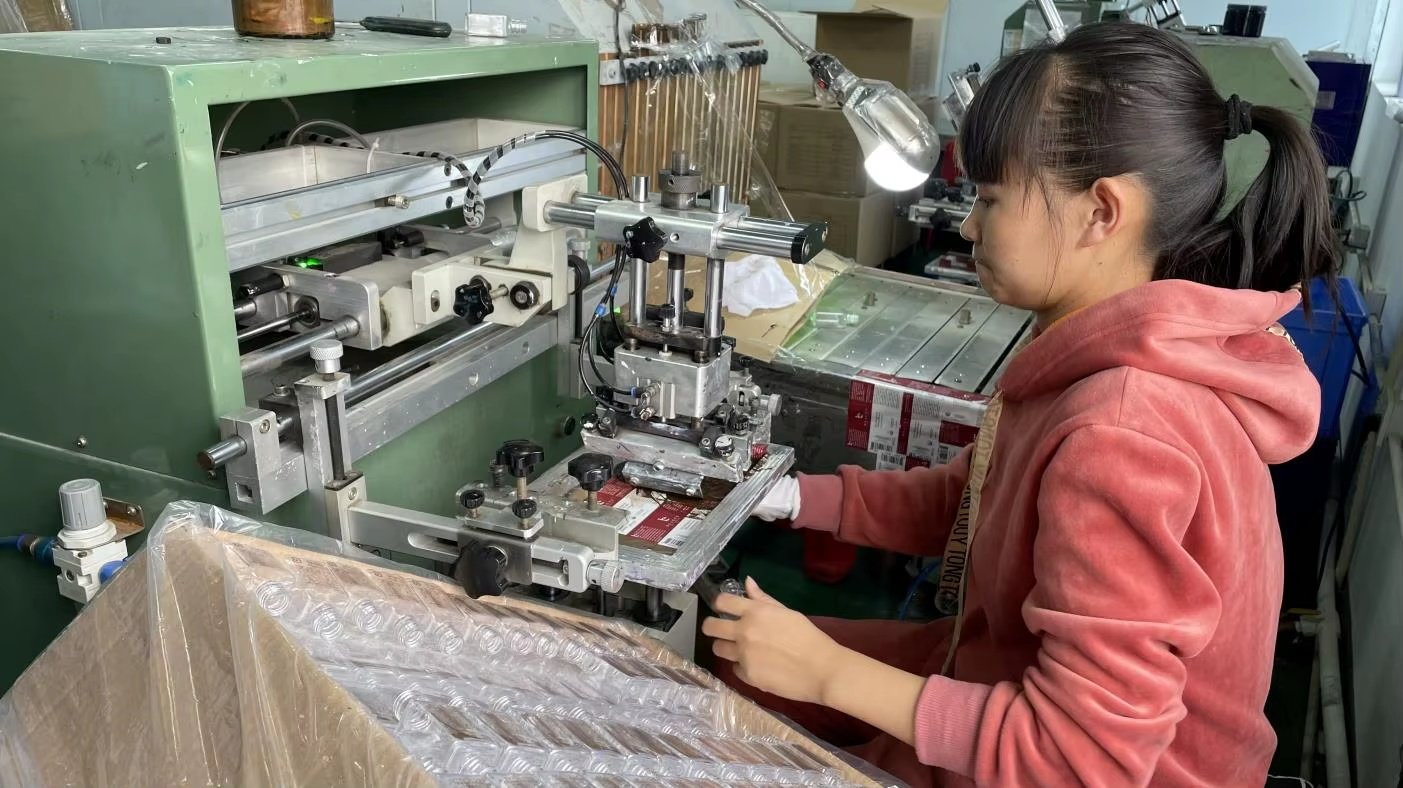
DDP (Delivered Duty Paid) sounds simple: the supplier handles freight, customs, duties, and final delivery. In practice, it only works when the manufacturer has genuine export experience in your market. In our years shipping to the United States, Germany, and Australia, I have learned that a supplier who cannot name your country's import requirements from memory will probably learn them at your expense.
Break the timeline into checkpoints
Do not accept a single "45 days" promise. Split it into verifiable stages and ask for photo or video proof at each one.
| Stage | Typical Duration | What You Should Receive |
|---|---|---|
| Artwork and sample approval | 7–14 days | Physical or video sample sign-off |
| Raw material procurement | 3–7 days | Material confirmation |
| Production | 15–25 days | Weekly photo updates |
| Pre-shipment inspection | 1–3 days | Third-party AQL report |
| DDP freight and clearance | 15–35 days by sea | Tracking and customs documents |
Ask the uncomfortable logistics questions
Ask who the supplier's freight forwarder is and how many DDP shipments 5 they have completed to your country this year. Ask how they handle customs holds. Ask whether duties are genuinely included or "estimated." If you buy through a marketplace, Trade Assurance protection 6 can add a payment safety net, but it does not replace a clear contract. Also ask about contingency plans: some larger suppliers maintain backup lines or a "China + 1" arrangement to absorb tariff and capacity shocks. Finally, plan around Chinese New Year and Golden Week. Factories close, ports jam, and lead time and shipping estimates stretch. A reliable partner will warn you about these windows before you ask.
What red flags should I watch for to prevent leakage issues and costly returns?
Leakage complaints are the nightmare scenario for every procurement manager I speak with. One buyer came to us after a prior supplier's lotion pumps failed in transit, triggering a full retail return.
Watch for suppliers who skip formula compatibility testing, refuse third-party inspection, cannot explain their leak-testing method, quote far below market price, avoid written defect thresholds, or push airless pump bottles and closures without torque, drop, and vacuum testing data for your specific product.
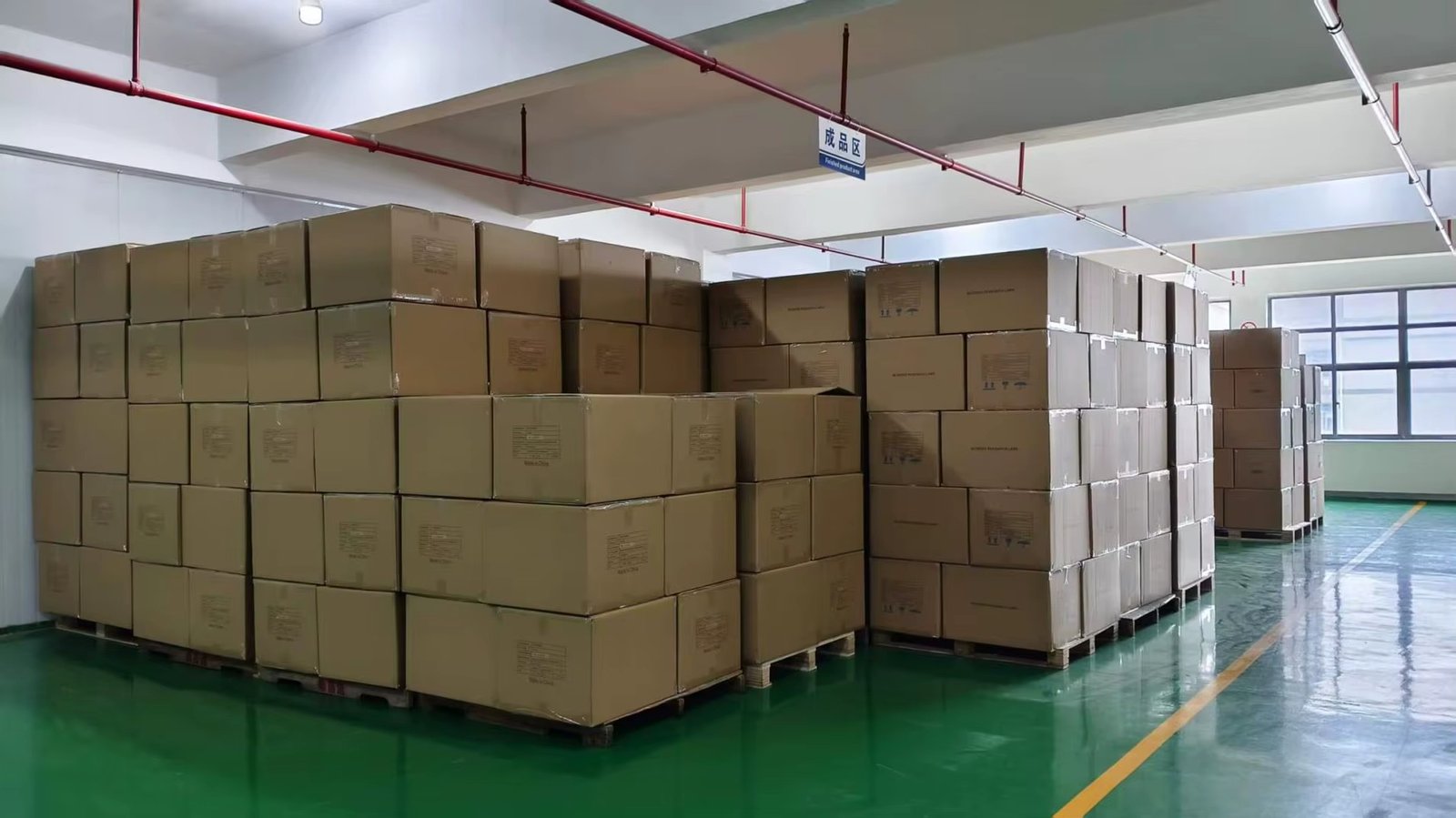
Leakage is rarely random. It usually traces back to one of four causes: poor mold tolerances, wrong material for the formula, inconsistent closure torque, or careless assembly. Each cause leaves clues you can spot before ordering. When we qualify a new pump component supplier for our own lines, we run drop tests, inverted-storage tests, and hot-and-cold cycle tests. Ask your candidate suppliers to describe their equivalent process. Vague answers are the loudest red flag.
Pricing and behavior warning signs
A quote 30% below every competitor is not a bargain; it is a signal. The savings usually come from thinner walls, recycled resin sold as virgin, or skipped quality control inspection steps. Similarly, be cautious when a supplier resists putting an AQL standard 7 or a replacement policy for defective units into the contract. Reliable factories accept accountability because their defect rates support it.
Technical checks that prevent returns
- Request torque specifications for caps and confirm they are measured, not "hand-tight."
- Ask for inverted leak-test results over at least 24–48 hours with a liquid similar to yours.
- Confirm the dip tube, gasket, and spring materials in pumps resist your formula's chemistry.
- For airless pump bottles, verify vacuum performance and dosage consistency across a sample batch.
- Check that outer cartons and inserts are drop-tested for your shipping route, not just the showroom.
One more subtle flag: communication decay. If responses slow down dramatically after your deposit, escalate early. In my experience, communication quality before the order predicts problem-solving quality after it. A supplier who documents everything, answers within a business day, and volunteers bad news early will almost never leave you holding a container of leaking bottles.
Conclusion
Choosing a reliable cosmetic packaging manufacturer in China means verifying documents, auditing factories, testing production samples, defining OEM/ODM scope, and contracting clear lead time, DDP, and defect terms.
