
Every month, buyers email our Taizhou factory with a formula ready to launch — and the wrong bottle already ordered. Choosing PET bottle capacity and shape wrong costs money twice.
To choose the right PET bottle capacity and shape, match capacity to your formula’s dose and usage frequency, match shape to your brand positioning and shelf space, verify neck finish and closure compatibility, then validate the design against shipping stress and your production timeline.
That answer sounds simple. In practice, each step has traps. A bottle that looks perfect can leak in transit. A capacity that seems generous can feel half empty on the shelf. This guide walks through each decision in order, so you can specify the right bottle the first time.
What PET Bottle Capacity Best Fits My Product Formula and Usage Instructions?
Last year, a procurement manager in Melbourne asked me why her 50ml serum kept looking half empty. The answer was headspace — she had specified brimful capacity 1, not fill volume.
The best PET bottle capacity matches your product’s dose size and usage cycle: 5–100ml for travel and trial sizes, 100–250ml for daily serums and toners, 250–500ml for lotions and body care, and 500ml–1L for salon or refill formats.
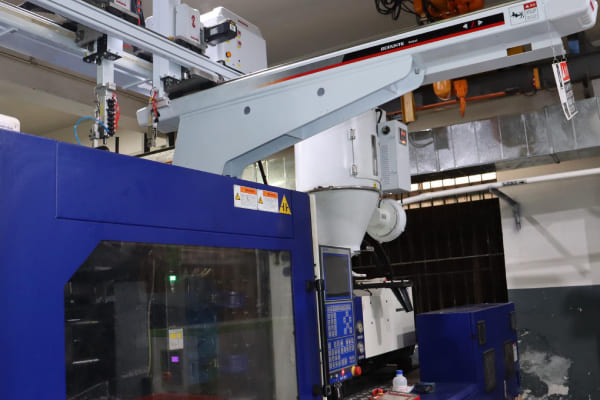
Before you pick a number, you need to understand three different volume terms. They are not interchangeable, and mixing them up causes real problems on the filling line.
Nominal, Fill, and Brimful Capacity
Nominal capacity is the volume printed on your label. Fill volume is what actually goes into the bottle, usually at or slightly above nominal. Brimful capacity is the total mold volume filled to the rim. A true “200ml bottle” needs a brimful capacity above 200ml. That extra space, called headspace, allows for foam control, thermal expansion 2, and closure fit. When we quote a custom bottle, we always confirm all three numbers with the buyer before cutting any tooling.
Match Capacity to the Consumption Pattern
PET bottles run anywhere from 20ml up to 20L across all industries. Standardized specs often list 500, 1000, 3000, and 5000ml, while consumer beverage formats cluster around 330ml, 500ml, 1L, and 2L. For cosmetics and skincare, the useful bands are narrower:
| Capacity Band | Typical Products | Usage Logic |
|---|---|---|
| 5–100ml | Travel kits, samples, essential oils | Portability, trial purchases, airline rules |
| 100–250ml | Serums, toners, facial mists | Daily dosing, 2–3 month usage cycle |
| 250–500ml | Lotions, shampoos, body wash | Family use, pump dispensing |
| 500ml–1L+ | Salon backbar, refill pouches’ rigid partner | Value per liter, lower packaging per unit |
Your formula matters too. Low-viscosity facial oils need narrow necks for precision dispensing, while thick creams and scrubs may need wide-mouth finishes of 38mm or more. Sensitive actives like vitamin C demand attention to oxygen barrier properties 3 and shelf life stability, which favors smaller capacities that get used up faster. And if your product is filled warm, confirm early whether hot fill technology is required, because standard PET deforms under heat and needs a modified design.
How Do I Match Bottle Shape to My Brand Identity and Shelf Appeal?
There is a trade-off we weigh on every custom project: the boldest bottle shape rarely runs fastest on a blow molding line. Beauty and efficiency pull in opposite directions.
Match bottle shape to brand identity by pairing cylinders with minimalist skincare, square footprints with modern or clinical brands, and soft ovals with wellness lines. Keep the height-to-diameter ratio between 2.5:1 and 4:1 for stability and leave flat labeling surface area.

Shape is where branding and engineering meet. Some buyers worry that a distinctive shape will price them out or slow them down. That concern is fair, but it can be managed if you understand the trade-offs before you commit.
Comparing the Three Main Shape Families
| Shape | Brand Signal | Production | Shelf & Shipping |
|---|---|---|---|
| Round / cylindrical | Clean, minimalist, classic | Easiest to blow, most consistent walls | Wastes air space between bottles |
| Square / flat-sided | Modern, clinical, premium | Needs careful corner design | Best shelf density and cube efficiency |
| Oval / specialty | Soft, wellness, distinctive | Highest complexity, more validation | Good grip, moderate packing efficiency |
Round bottles are the safe default. They run fast, mold evenly, and accept wrap labels without distortion. Square footprints eliminate the wasted air space that round bottles create in cartons, which improves shelf density and shipping cost per unit. But sharp corners thin out during blowing, so they demand more design care.
Details That Sell From the Shelf
Color and transparency also communicate product positioning.
Clear PET can signal freshness, purity and product visibility. It works particularly well for serums, oils, cleansers and products where the consumer wants to see the formula.
Opaque or colored PET can provide a more premium or protective appearance and may help reduce light exposure for formulas that are sensitive to UV or visible light.
The finish matters too.
A simple cylindrical bottle with a premium closure, clean label and controlled surface treatment can look more expensive than a complicated bottle with an oversized logo and poor proportions.
For most brands, proportion is more important than complexity.
A useful rule is:
Bottle shape should make the brand recognizable, but it should not make manufacturing unnecessarily difficult.
Why Does Neck Finish Matter as Much as Bottle Capacity?
A common mistake is to choose the bottle first and the closure later.
We recommend doing the opposite: define the dispensing system early, then design the bottle around the required neck finish.
The neck finish determines whether the bottle can properly accept a screw cap, pump, sprayer, dropper, flip-top or other closure.
Important specifications include:
- Neck diameter
- Thread type
- Thread profile
- Finish height
- Land diameter
- Sealing surface
- Closure material
- Closure liner or gasket
- Torque requirements
A bottle can have the correct capacity and attractive shape but still fail because the pump or cap does not seal correctly.
Match the Neck to the Dispensing Method
| Closure Type | Common Applications | Key Considerations |
| Screw cap | Oils, supplements, personal care | Thread compatibility and torque |
| Disc-top / flip-top | Shampoo, lotion, body wash | Opening size and sealing |
| Pump | Lotion, cleanser, shampoo | Dip tube length, neck finish, actuation |
| Fine-mist sprayer | Toner, facial mist, fragrance | Neck compatibility and spray performance |
| Dropper | Serum, essential oils | Neck finish, dropper fit and sealing |
| Treatment pump | Premium skincare | Pump geometry and formula viscosity |
For example, a 100ml serum bottle may look perfect in a catalog, but if your selected dropper requires a specific neck finish, that bottle may not be usable without modification.
This is why we recommend confirming the bottle + closure as one packaging system, rather than treating them as separate components.
How Much Headspace Should a PET Bottle Have?
There is no universal headspace percentage that works for every PET bottle.
The required headspace depends on the product, filling process, bottle geometry, closure design, transportation conditions and regulatory requirements.
For a cosmetic bottle, the practical goal is to create enough free space for safe filling and product movement without making the package look obviously underfilled.
Too little headspace can cause:
- Product contact with the closure
- Leakage during transportation
- Pressure buildup in certain applications
- Filling-line inconsistencies
- Difficulty installing the closure
Too much headspace can cause:
- A “half-empty” visual impression
- Higher packaging cost
- More movement inside the bottle
- Potentially greater oxygen exposure after opening
- Poor shelf presentation
The right approach is not to choose headspace by appearance alone.
Instead, confirm:
Formula + Fill Volume + Filling Temperature + Bottle Brimful Capacity + Closure System + Transportation Conditions
That combination gives you a much more reliable specification.
What PET Bottle Shape Is Best for Shipping and Carton Packing?
A bottle that looks excellent in a product photograph can become expensive when thousands of units are packed into cartons.
Shipping efficiency depends on more than the bottle’s volume.
You also need to consider:
- Bottle footprint
- Overall height
- Carton dimensions
- Number of bottles per carton
- Empty space between bottles
- Bottle orientation
- Pallet utilization
- Closure height
- Protective packaging requirements
Round bottles are mechanically forgiving but leave unused spaces between units.
Square and rectangular bottles generally provide better carton utilization.
However, a very wide bottle can increase the footprint and reduce the number of units per pallet.
A very tall, narrow bottle may save horizontal space but become unstable during handling.
This creates an important design principle:
The best PET bottle shape is not necessarily the smallest or most attractive shape. It is the shape that balances product presentation, stability, packaging efficiency and manufacturing performance.
For larger-volume orders, we recommend checking carton and pallet loading before finalizing the bottle mold.
A small improvement in bottle dimensions can sometimes produce a surprisingly large difference when multiplied across thousands of cartons.
How Should I Validate a Custom PET Bottle Before Mass Production?
Never approve a custom PET bottle based only on a computer rendering.
The correct sequence is:
Concept → 3D design → prototype → functional testing → tooling → pilot production → mass production
Before approving tooling, request physical samples.
At minimum, evaluate:
1. Dimensional Accuracy
Check:
- Height
- Diameter
- Neck dimensions
- Wall thickness
- Base diameter
- Closure fit
- Label area
The actual production dimensions should be compared with the approved technical drawing.
2. Leakage Testing
Fill the bottle with the intended formula or a representative liquid and test the complete package.
Check the bottle after:
- Standing storage
- Inverted storage
- Closure tightening
- Repeated opening and closing
- Transportation simulation
A bottle that passes a simple upright test can still leak when inverted or exposed to vibration.
3. Drop Testing
Shipping exposes packaging to impacts that do not happen on the filling line.
Depending on the application, test the complete packaged product rather than only the empty bottle.
Evaluate:
- Bottle cracking
- Base deformation
- Neck damage
- Closure separation
- Leakage
- Label damage
The exact drop-test protocol should be agreed according to your product category, packaging configuration and destination-market requirements.
4. Compression and Stacking
If cartons are stacked during warehouse storage or transportation, compression performance matters.
A bottle with excellent individual strength can still cause carton deformation when stacked for long periods.
This is particularly important for:
- Tall bottles
- Large-capacity bottles
- Thin-wall designs
- Heavy formulas
- High-density pallet loads
How Does PET Bottle Wall Thickness Affect Cost and Performance?
Wall thickness is another area where buyers often focus too heavily on price.
Reducing PET weight can lower material consumption, but there is a limit.
A lightweight bottle may become more sensitive to:
- Drop impact
- Paneling
- Vacuum deformation
- Compression
- Closure torque
- Temperature changes
- Transportation vibration
The goal is not simply to make the bottle as light as possible.
The goal is to achieve the lowest practical bottle weight that still meets the required performance specification.
This is especially important for e-commerce.
A bottle that survives a pallet shipment may not necessarily survive individual parcel delivery through multiple distribution centers.
For e-commerce products, the packaging system should be tested under the actual shipping conditions as closely as possible.
When Should I Use a Standard PET Bottle Instead of a Custom Mold?
Custom tooling is not automatically better.
For a new product, a standard bottle can be the smarter option if you need to:
- Launch quickly
- Test market demand
- Keep initial investment low
- Maintain low MOQ
- Use existing closures
- Reduce tooling risk
A custom PET bottle becomes more attractive when:
- Your bottle is a major part of the brand identity
- Existing shapes do not fit the formula
- You need a unique shelf presence
- You have sufficient annual volume
- You need specific dimensions for a dispensing system
- You want long-term packaging differentiation
We usually recommend testing the commercial concept with a standard bottle first when the market is uncertain, then investing in custom tooling after demand has been validated.
For established brands with predictable volume, custom molding can make much more sense.
How Long Does It Take to Develop a Custom PET Bottle?
The timeline depends heavily on the complexity of the bottle.
A typical custom development process may include:
| Stage | Typical Activity |
| 1. Packaging brief | Capacity, formula, closure, dimensions |
| 2. Structural design | 3D bottle and technical drawing |
| 3. Prototype | Sample evaluation |
| 4. Design revision | Adjust dimensions and details |
| 5. Tooling | Mold manufacturing |
| 6. Trial production | First molded samples |
| 7. Testing | Leakage, drop, dimensional and functional tests |
| 8. Final approval | Customer sign-off |
| 9. Mass production | Production and quality inspection |
The biggest delays are often not caused by the factory.
They come from decisions being made in the wrong order.
For example:
Bottle approved → closure selected later → neck finish doesn’t match → bottle redesign → mold modification → production delay.
That is why we recommend confirming the following before tooling begins:
Formula → Fill Volume → Bottle Capacity → Shape → Neck Finish → Closure → Label → Carton → Shipping Requirements
What Information Should I Give a PET Bottle Manufacturer?
The more complete your initial specification is, the fewer design iterations you will need.
When contacting a PET bottle manufacturer, provide:
Product Information
- Product name
- Formula type
- Viscosity
- Density, if available
- Fill volume
- Filling temperature
- Intended shelf life
- Light/oxygen sensitivity
Bottle Requirements
- Target capacity
- Desired dimensions
- Preferred shape
- PET color
- Transparency
- Surface finish
- Target bottle weight
- Label type
- Decoration requirements
Closure Requirements
- Cap
- Pump
- Sprayer
- Dropper
- Flip-top
- Required neck finish
- Closure material
Commercial Requirements
- Initial order quantity
- Annual estimated volume
- Target price
- Destination market
- Required delivery date
- Packaging requirements
A professional manufacturer should be able to turn this information into a practical packaging specification instead of simply asking, “Which bottle do you want?”
Final Takeaway: Choose the Bottle as a Complete Packaging System
Choosing a PET bottle is not simply a matter of selecting 100ml, 250ml or 500ml from a catalog.
The correct bottle is the result of several decisions working together:
Formula → Fill Volume → Capacity → Shape → Neck Finish → Closure → Label → Shipping → Production
If you get only the capacity right, you can still end up with the wrong package.
If the shape looks premium but cannot survive transportation, the design has failed.
If the bottle works but the closure does not seal properly, the package has failed.
And if everything is technically correct but the mold takes too long to produce, the launch can still be delayed.
At our Taizhou PET bottle factory, we approach custom bottle projects from both the packaging and manufacturing side. Before production, we help buyers evaluate capacity, shape, neck finish, closure compatibility, material weight, tooling requirements and production feasibility.
The objective is simple:
Design the bottle around the product — not the product around the bottle.
If you already have a formula, target capacity, reference bottle or 3D design, send us the specifications. We can help evaluate whether the proposed PET bottle is practical for production and identify potential problems before tooling begins.
